
Daily Nutrition Essentials
Daily nutrition represents the foundation of understanding how natural food sources contribute to routine physiological processes. This informational resource explores the role of essential nutrients in everyday consumption patterns for adult men.
The materials presented explain how specific nutrients participate in normal metabolic functions and where they naturally occur in common foods. This is educational information only—not medical advice or personalized recommendations.
Core Daily Nutrients Overview
| Nutrient | Daily Role | Natural Sources |
|---|---|---|
| Selenium | Supports normal metabolic processes and cellular function | Sardines, nuts, seeds, whole grains |
| Magnesium | Participates in energy production and muscle function | Cashews, leafy greens, legumes, whole grains |
| Zinc | Contributes to normal immune and metabolic function | Nuts, seeds, legumes, whole grains |
| Vitamin K | Supports normal blood clotting and bone function | Leafy greens, cruciferous vegetables, legumes |
| Antioxidants | Help protect cells from environmental stress | Berries, vegetables, nuts, seeds |
Natural Food Examples
The following are common food sources that naturally contain multiple essential nutrients mentioned in daily nutrition discussions.

Sardines
Key Nutrients: Omega-3 fatty acids, Selenium, Vitamin D
Sardines are recognized as a natural source of multiple micronutrients commonly discussed in nutrition education. These fish represent one of the densest natural sources of selenium.

Cashew Nuts
Key Nutrients: Magnesium, Zinc, Copper
Cashews are frequently studied as a natural source of mineral compounds. In everyday consumption, they provide notable quantities of both magnesium and zinc in readily available form.
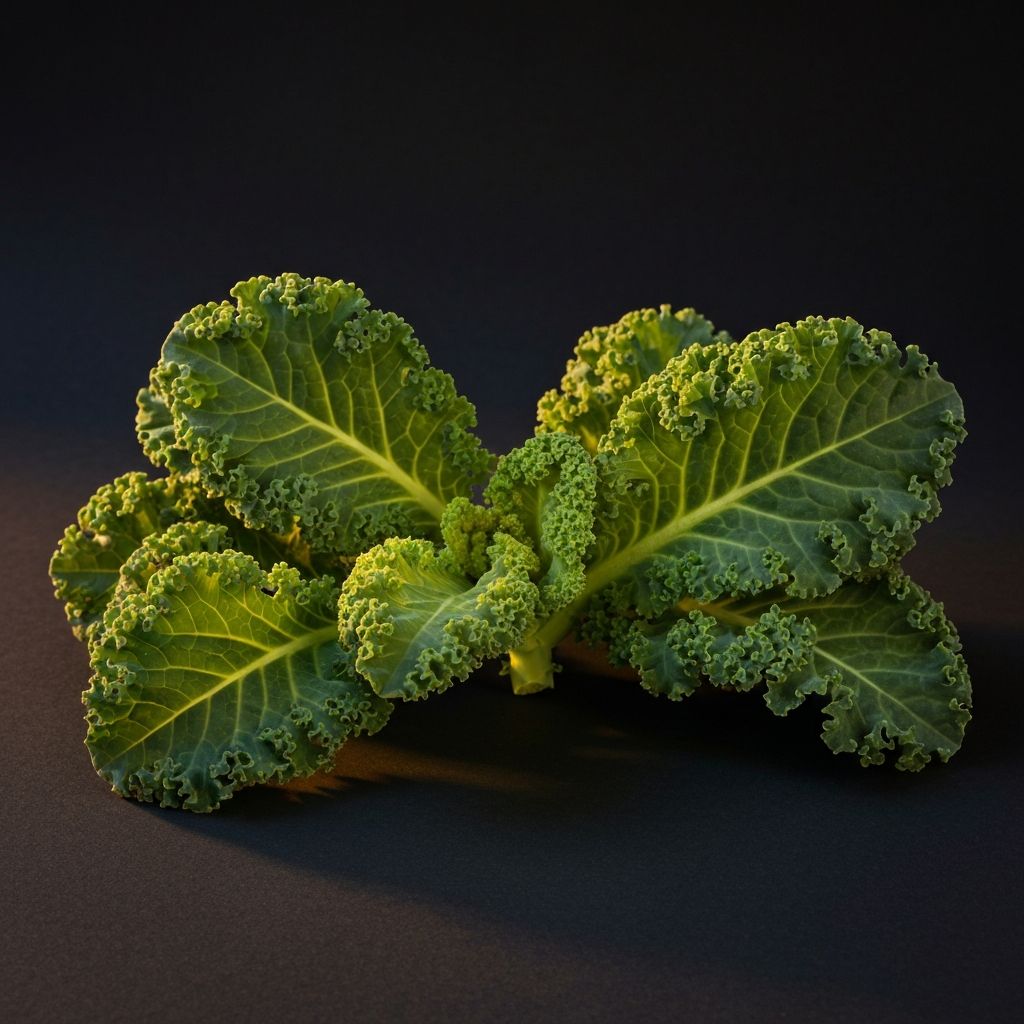
Kale
Key Nutrients: Vitamin K, Calcium, Antioxidants
Kale stands out in discussions of leafy green vegetables for its documented micronutrient density. It represents a straightforward natural source of vitamin K and mineral compounds.
Selenium Daily Sources
Selenium appears across various food categories. Understanding where this nutrient naturally occurs helps contextualize everyday dietary variety.
Key sources include:
- Fatty fish (sardines, mackerel, salmon)
- Brazil nuts and other tree nuts
- Whole grains and legumes
- Eggs from pastured sources
- Seeds (sunflower, pumpkin)

Magnesium Everyday Foods
Magnesium occurs naturally in many commonly consumed foods. It plays a recognized role in everyday metabolic processes and energy production.
Reliable everyday sources:
- Leafy green vegetables (spinach, chard, kale)
- Nuts and seeds (almonds, pumpkin seeds, cashews)
- Legumes (lentils, chickpeas, beans)
- Whole grains (brown rice, oats, buckwheat)
- Dark chocolate in moderate amounts

Zinc Natural Intake
Zinc's presence in everyday food sources reflects its broad distribution across plant and animal products. Understanding these sources contributes to nutritional awareness.
Animal-Based Sources
Animal products generally contain higher concentrations of bioavailable zinc:
- Oysters and shellfish
- Red meat and poultry
- Fish and seafood
- Eggs
- Dairy products
Plant-Based Sources
Zinc also appears in plant products, though absorption varies:
- Seeds (pumpkin, sunflower, hemp)
- Nuts (cashews, almonds, walnuts)
- Legumes (chickpeas, lentils, beans)
- Whole grains (oats, wheat germ, quinoa)
- Mushrooms
Vitamin K Food Sources
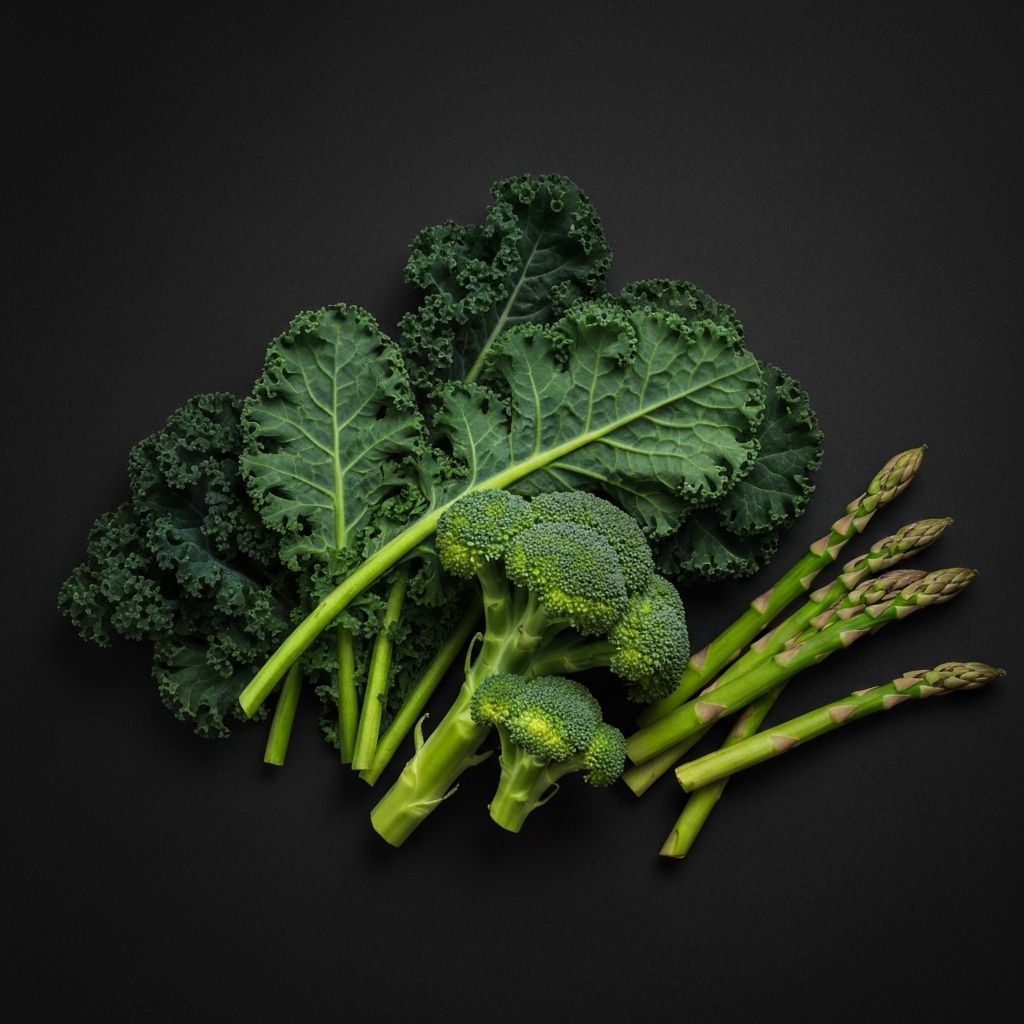
Vitamin K appears predominantly in leafy vegetables and cruciferous plants. Its consistent presence in these foods makes it accessible through regular varied consumption.
Primary dietary sources include:
- Dark leafy greens (kale, spinach, broccoli)
- Cruciferous vegetables (cabbage, Brussels sprouts)
- Asparagus and green beans
- Legumes and soybeans
- Fermented foods (sauerkraut, natto)
Antioxidant Daily Support
Antioxidants represent a broad category of compounds found in plant foods. Their presence in everyday consumption patterns reflects the scientific understanding of how varied food sources contribute to cellular function.

Antioxidant-Rich Foods
- Berries: Blueberries, blackberries, raspberries, strawberries
- Vegetables: Beets, sweet potatoes, bell peppers, tomatoes
- Nuts & Seeds: Walnuts, almonds, flax seeds, chia seeds
- Leafy Greens: Spinach, kale, chard
- Other Sources: Dark chocolate, green tea, spices

Routine Nutrition Context
Everyday nutrition, in its basic form, describes how consistent access to varied food sources contributes to routine physiological processes. The scientific understanding of these processes forms the basis for nutritional education.
This context acknowledges several key points:
- Individual nutritional needs vary based on multiple factors including age, activity level, and personal health circumstances
- This educational resource provides general information, not personalized guidance
- Regular consumption of diverse foods naturally incorporates multiple nutrient sources
- Nutritional science continues to evolve with ongoing research
- Professional consultation remains important for individual dietary decisions
Variety in Daily Meals
The significance of dietary variety forms a foundational principle in nutrition education. Varied food consumption creates multiple pathways for nutrient intake and supports sustainable eating patterns.
Understanding variety involves recognizing:
- Different food groups provide overlapping sets of nutrients
- Seasonal food availability encourages natural dietary rotation
- Color variation in foods often correlates with different micronutrient profiles
- Combining plant and animal sources broadens nutrient accessibility
- Regular consumption patterns require sustainable, maintainable approaches
Regular Consumption Notes
Regular food consumption patterns represent an essential aspect of nutritional discussions. The emphasis on regularity acknowledges that one-time or episodic intake creates inconsistent nutrient supply.
Key considerations include:
- Consistent daily intake supports stable nutrient availability
- Food preparation methods can influence nutrient bioavailability
- Storage and freshness affect nutritional content
- Portion size considerations relate to daily nutrient quantity
- Individual tolerance and preferences guide sustainability
Scientific Daily Facts
Scientific understanding of nutrition rests on observed relationships between nutrient intake and physiological function. These facts represent established nutritional knowledge, not medical claims.
Selenium Function
Selenium participates in selenoprotein synthesis, contributing to thyroid function and antioxidant defense.
Magnesium Role
Magnesium acts as a cofactor in over 300 enzymatic reactions, supporting energy metabolism and muscle function.
Zinc Importance
Zinc is essential for protein synthesis, immune response, and gene expression in cells.
Vitamin K Activity
Vitamin K acts as a cofactor for carboxylation reactions affecting blood coagulation and bone mineralization.
Antioxidant Protection
Antioxidants help neutralize free radicals, supporting cellular integrity under oxidative stress.
Nutrient Synergy
Nutrients often function synergistically, with some enhancing the absorption or utilization of others.
Continue Learning
This informational resource presents foundational knowledge about natural nutrient sources and daily nutrition patterns. For comprehensive information and additional context, explore the sections below.